The comparison is nearly always made on purchase price, where the lockbox wins comfortably. That is the wrong unit. Hardware is paid once. The load is paid on every reservation, and it is counted in messages.
- The automationWhat Airbnb sends by itself, and only for one of the two
- The countThe real load, reservation by reservation
- The choiceWhat actually decides, and it is not the budget
What Airbnb does without you
Both options are recognised arrival methods. A host declares a smart lock, a keypad lock, a secure lockbox, building staff access, an in-person handover, or a custom method. On that point they are equal.
The gap opens on code delivery, and it is a wide one.
When the lock is connected to Airbnb, every reservation gets a unique four-digit code. Airbnb pushes it across five surfaces without any action from the host:
- the booking confirmation email
- reminder emails sent 8 days then 2 days before arrival
- a message or app notification on arrival day
- the Trips section of the guest's account
- the travel guide, including an image of the keypad
The code is shared before arrival but only becomes active at check-in, then expires after checkout. A guest added to the reservation receives the same code, and removing a guest can trigger a new one.
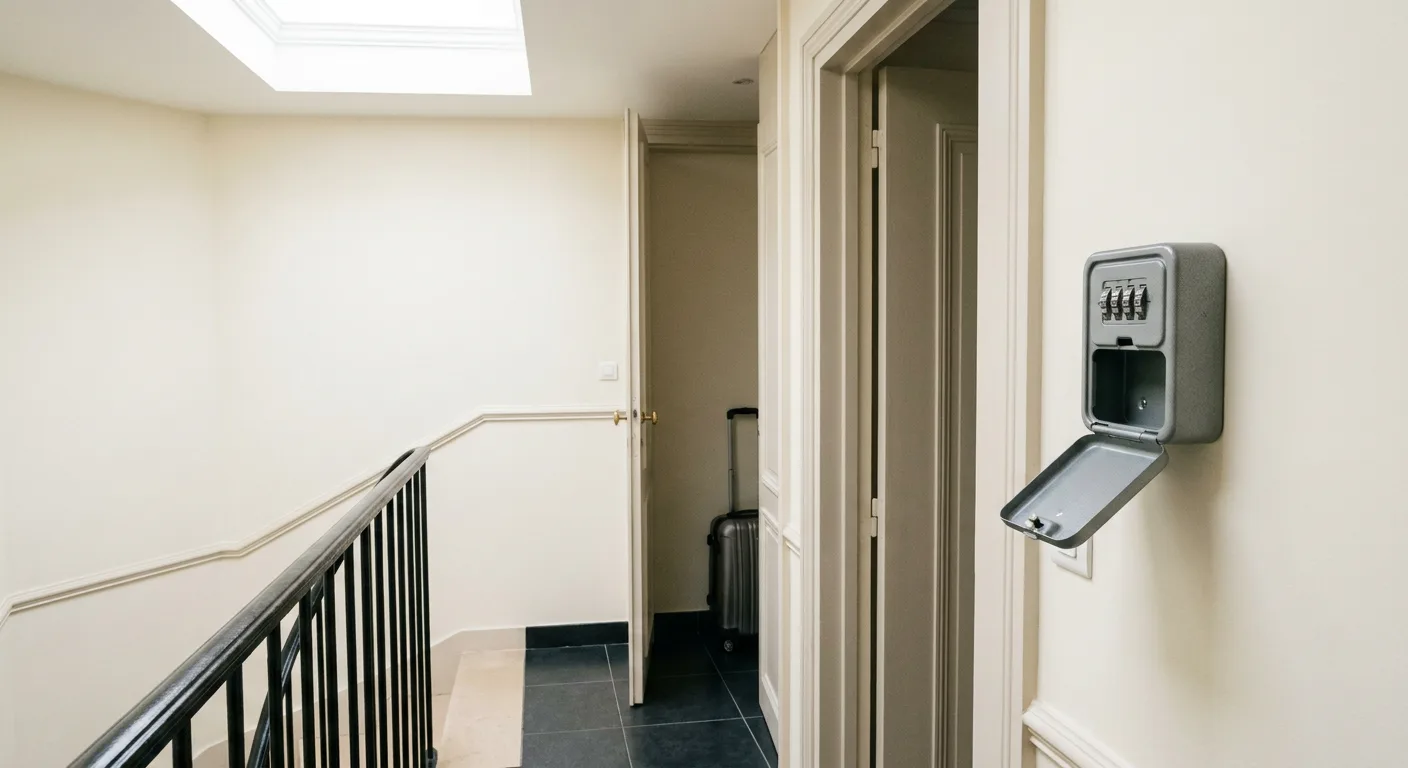
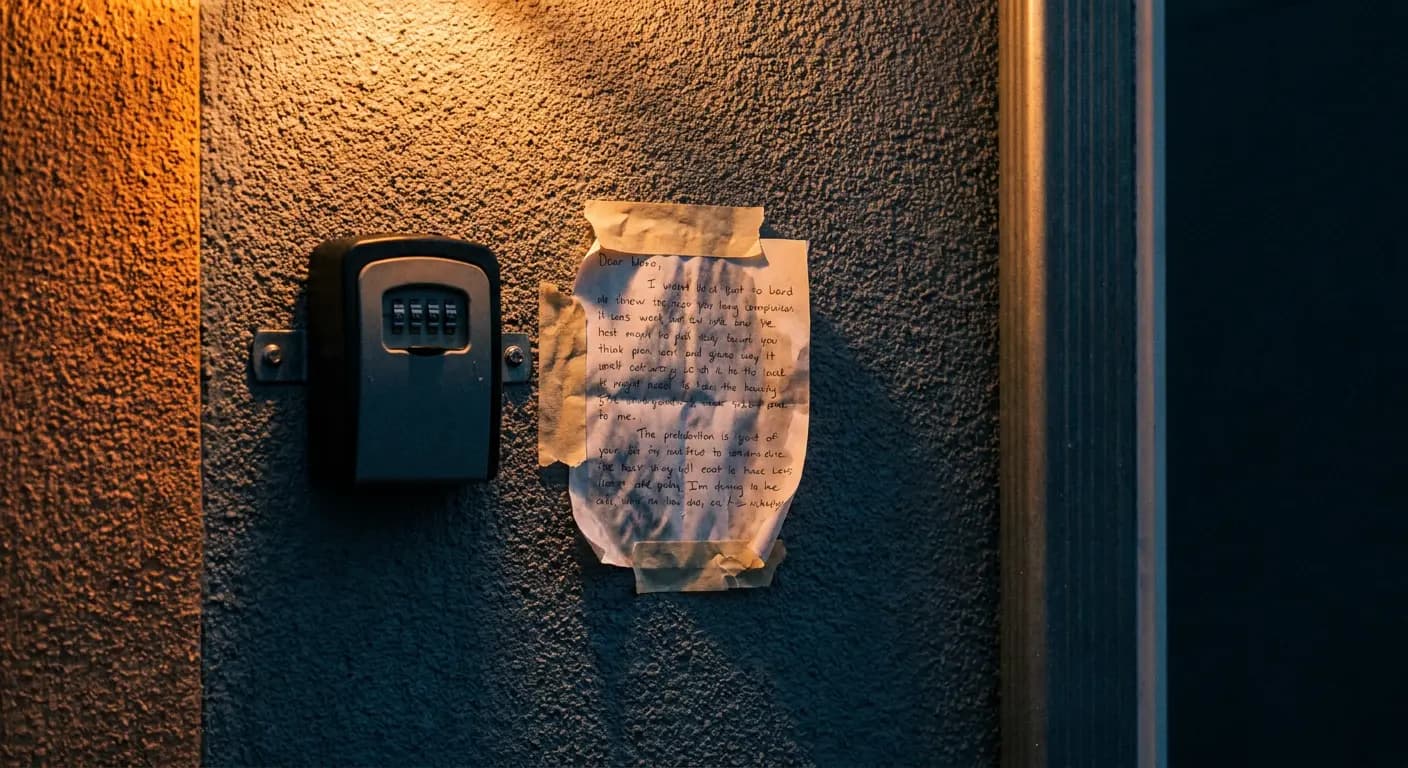
With a lockbox, none of those five surfaces carries anything. The code exists, but Airbnb does not know it, so it can only come from you.
This is the point price comparisons never make. A smart lock that is not connected to Airbnb drops straight back to lockbox level for delivery: it is easier to administer, but the code still has to be sent by hand. The automatic part comes from the connection, not from the hardware.
Counting per reservation
Here is the same reservation handled both ways, counting only what is left for you to do.
| Lockbox | Lock connected to Airbnb | |
|---|---|---|
| Sending the code | on you | pushed on 5 surfaces |
| Code changes between stays | only if you change it | a unique code per reservation |
| Expiry | none | expires after checkout |
| Guest added mid-stay | one more message | same code, no action |
| Last-minute booking | an urgent message | included in the confirmation |
| Hardware to buy | tens of euros | a compatible lock |
| Failure modes | mechanical, rare | battery and network |
The table leans clearly one way, with one caveat that matters: a lockbox depends on neither a battery nor a network. A smart lock adds two failure modes a lockbox does not have, and those failures land at the worst possible moment, which is arrival.
What the inbox says about it
Across 456 guest messages measured in our database over 180 days, 23 concern access or keys. That is small next to the 89 arrival messages, and that is exactly the point: access is not the bulk of the traffic.
Arrival messages against access messages
- Arrival
- 89 messages
- Access and keys
- 23 messages
- Incident
- 20 messages
Changing the lock acts on the middle bar. The left bar, four times taller, does not move for any piece of hardware.
456 guest messages over 180 days ·A smart lock removes a real load, and a bounded one. It does not answer "can I arrive at 2pm", which stays the most frequent question and depends on somebody else's reservation. The house manual does no better on it.
Choosing by portfolio size
The number of properties decides more than the budget does.
- One property, spaced-out arrivals: a lockbox is enough, provided the code delivery is scheduled and the code is changed between stays.
- Two to four properties: the tipping point. Sending becomes repetitive, and forgetting to rotate a code becomes likely.
- Five and above: connecting to Airbnb pays back in attention rather than money. Five codes rotated by hand will eventually produce an error.
- Building with an entrance keypad: count two codes, not one. The flat door code changes, the lobby code never does, and the second one is usually what stops the guest.
A lockbox whose code never changes is a former guest still holding access. That is not a theoretical worry. It is the direct consequence of having no rotation. If the code does not turn, the question is not whether somebody still knows it, but how many people do.
What still has to be handled either way
Whatever the hardware, the messages that arrive before check-in stay the same. The earliest possible hour, the delayed train, the bag to drop off, the parking space: no lock handles any of them.

 Three ways to cover arrival
- CopiloteSentioo drafts the reply with the code and the instructions of the right property, you approve before it goes.
- HybrideAccess requests go out on their own, early check-in requests come back to you since they depend on the previous checkout.
- AutopiloteSentioo answers on access and alerts you the moment a guest reports the code is not working.